The nearest tropical seagrass meadow to Wageningen isn’t in the Red Sea. It’s in Arnhem, a 1-hour bike ride from our university.
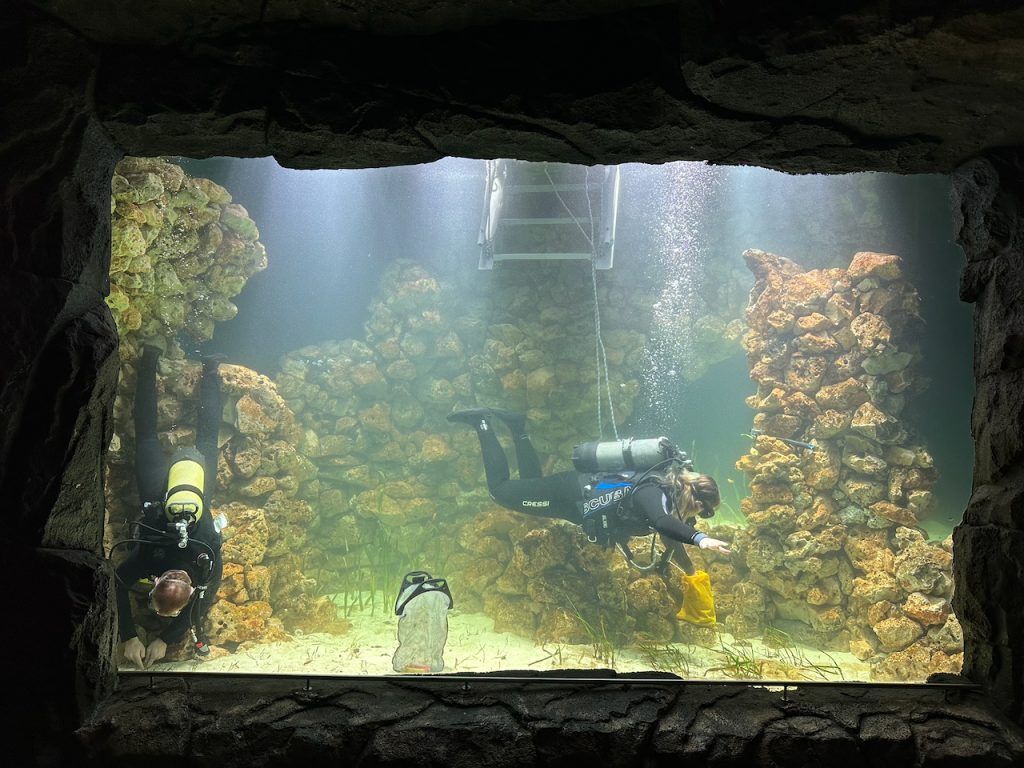
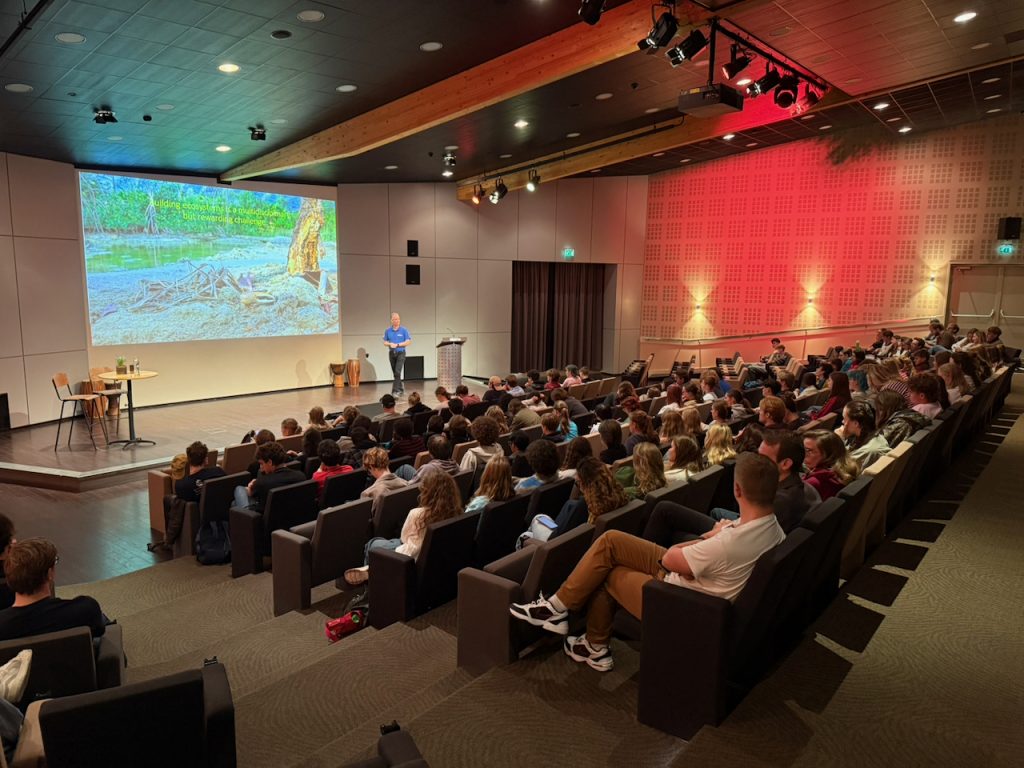
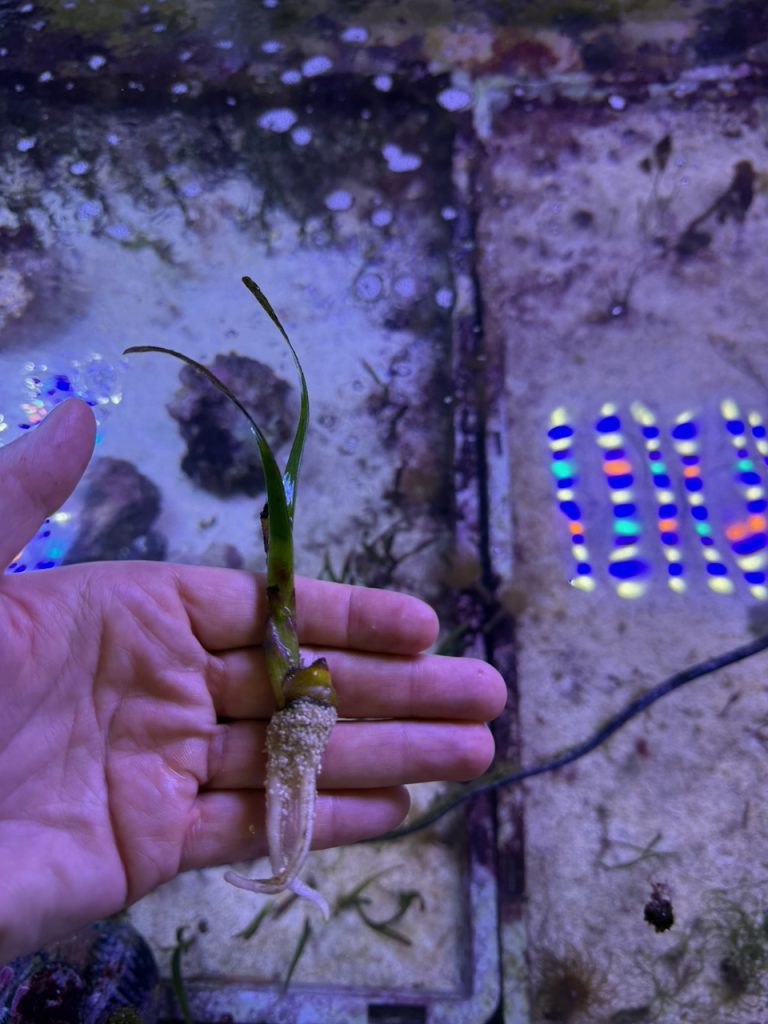
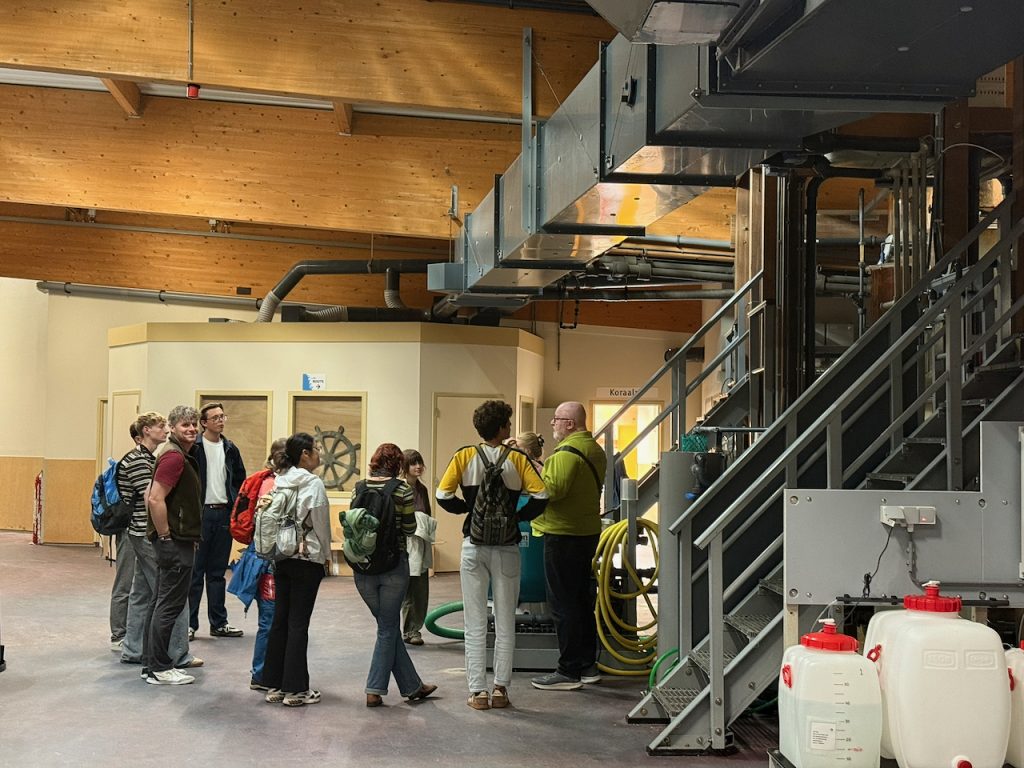
This summer, Burgers’ Zoo has built the world’s largest seagrass aquarium: over 50,000 liters, recreating an Indonesian seagrass meadow. We planted 7 species of seagrass, plant fragments and newly sprouted seeds. Today, 150 students from our Marine Ecology course got a behind-the-scenes tour and lecture Burgers’ mangroves, coral reef and seagrass.
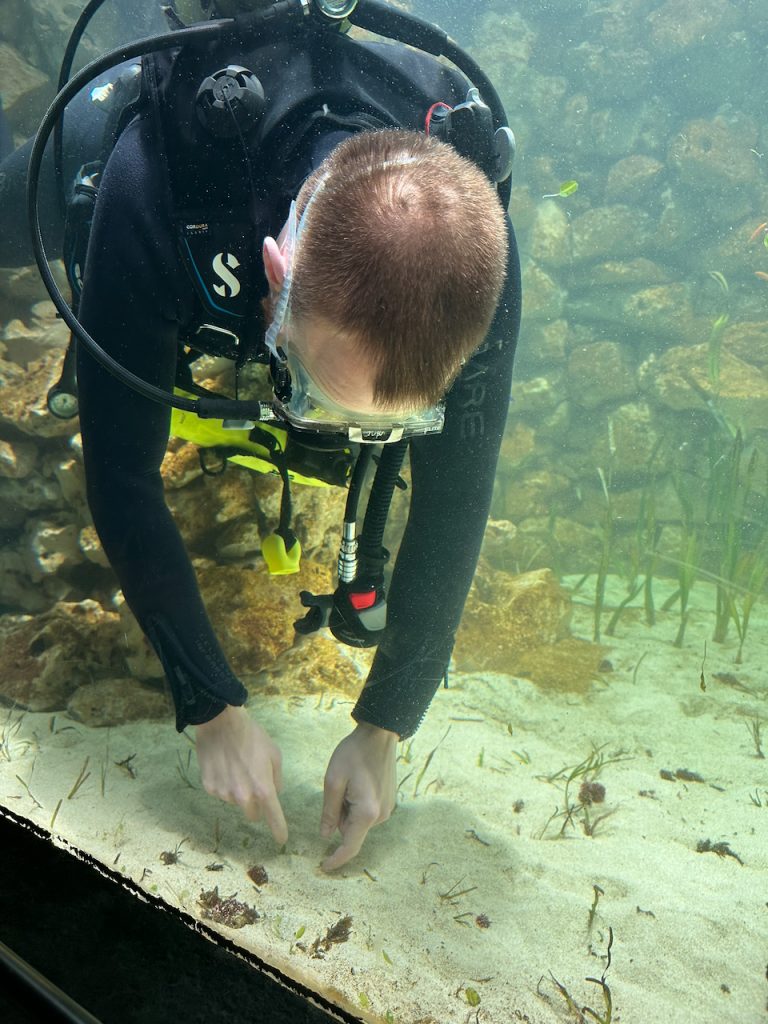
The plants arrived from Indonesia in July. Two months later, new growth is already visible, and divers have completed the first monitoring with camera transects. Burgers’ will follow the meadow’s development.
This builds on years of work of our team at Wageningen University with Burgers’ behind the scenes: on seagrass, on mangroves, and even early tests with “vlogging” manatees carrying cameras.
What I love most is that seagrass meadows are usually hidden. To see tropical seagrass, you need to snorkel or dive somewhere far away. Most people never get that chance. Now anyone can walk up to the glass and see how beautiful seagrass are and how they are an important nursery and foraging area for fish and other critters (with razorfish being introduced soon)e. This al matters, because people protect what they know.
For students, it’s a tropical field site without a plane ticket. With the first monitoring done, now is the perfect moment to start a thesis following the meadow as it grows or build a model on the nutrient cycle. Interested? Get in touch.
seagrass #marineecology #restoration #WageningenUniversity #BurgersZoo #Thalassia hemprichii #Cymodocea rotundata #Cymodocea serrulata #Enhalus acoroides #Halodule uninervis #Halodule ovalis #Syringodium isoetifolium
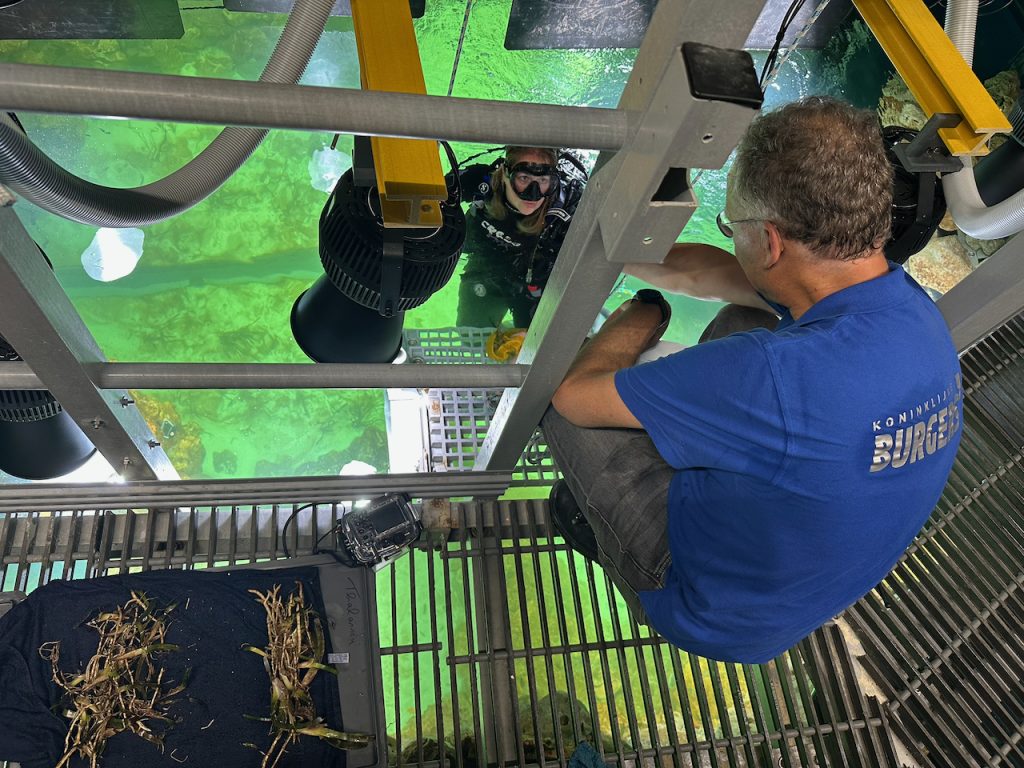
Video: https://lnkd.in/ej6M_Byr
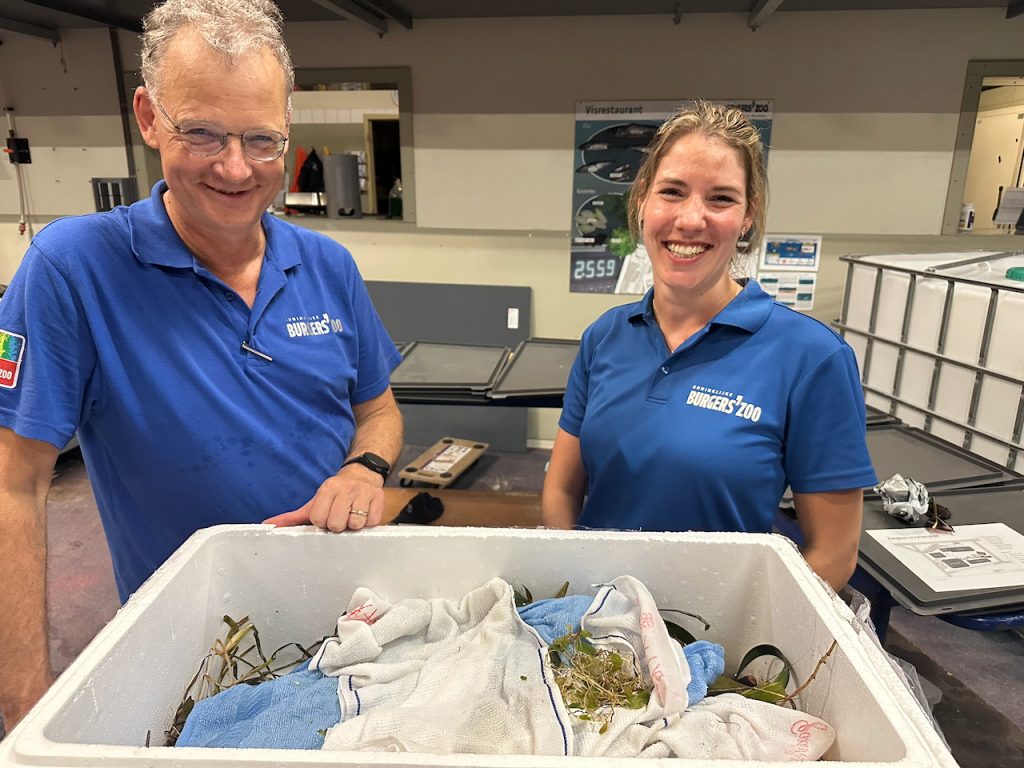
Thanks to Max Janse, Nienke Klerks and rest of the Koninklijke Burgers’ Zoo & Safari Meeting Centre team for a great collaboration.