Another edition of the course Field Project Marine Science has come to an end.
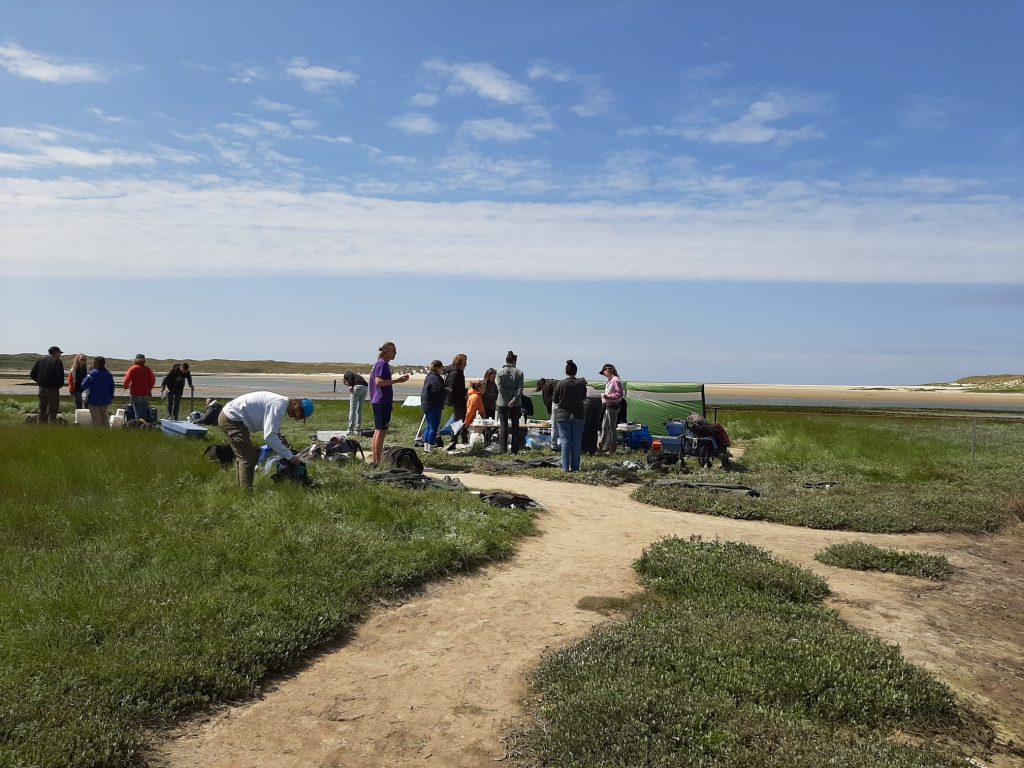
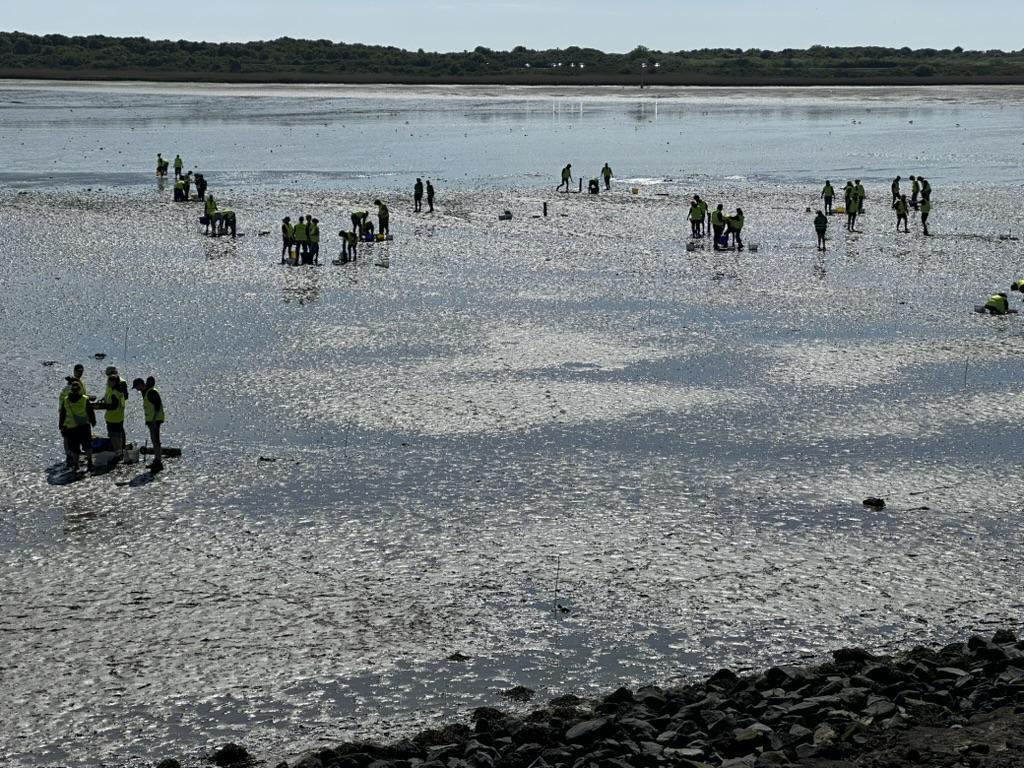
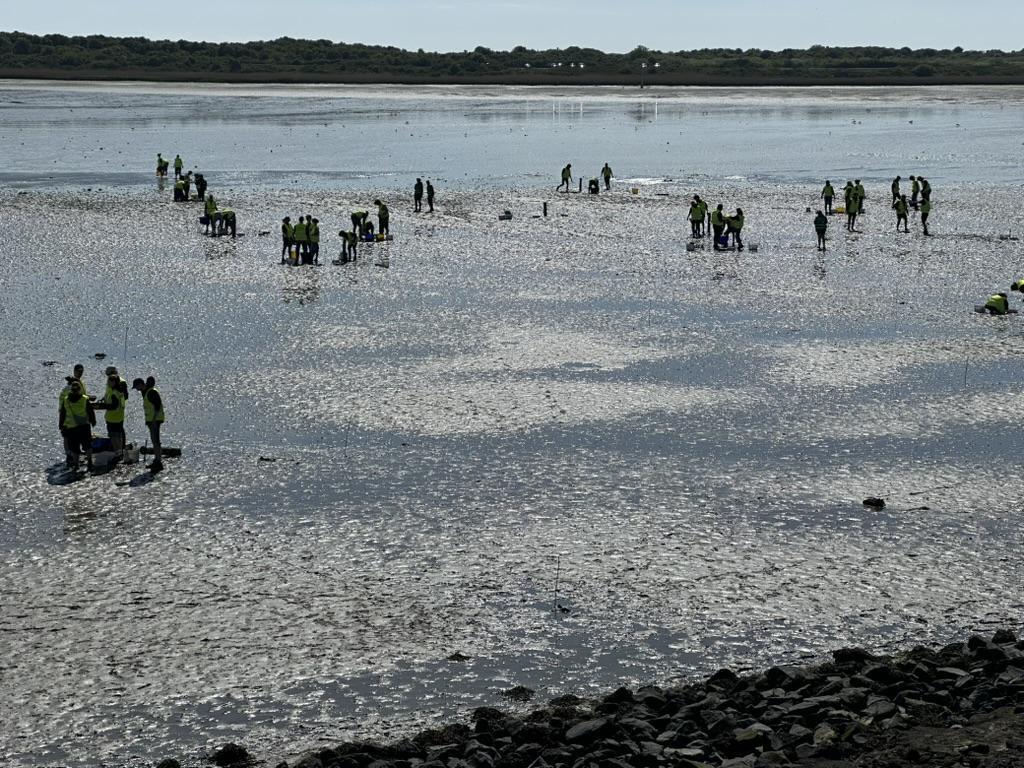
Over the past weeks, around 120 students have experienced what marine science research looks like in practice. From studying benthic communities around Texel to conducting interviews for their social study, students participated in different practicals to learn new skills and also designed and carried out their own research projects and followed them through the entire research cycle.
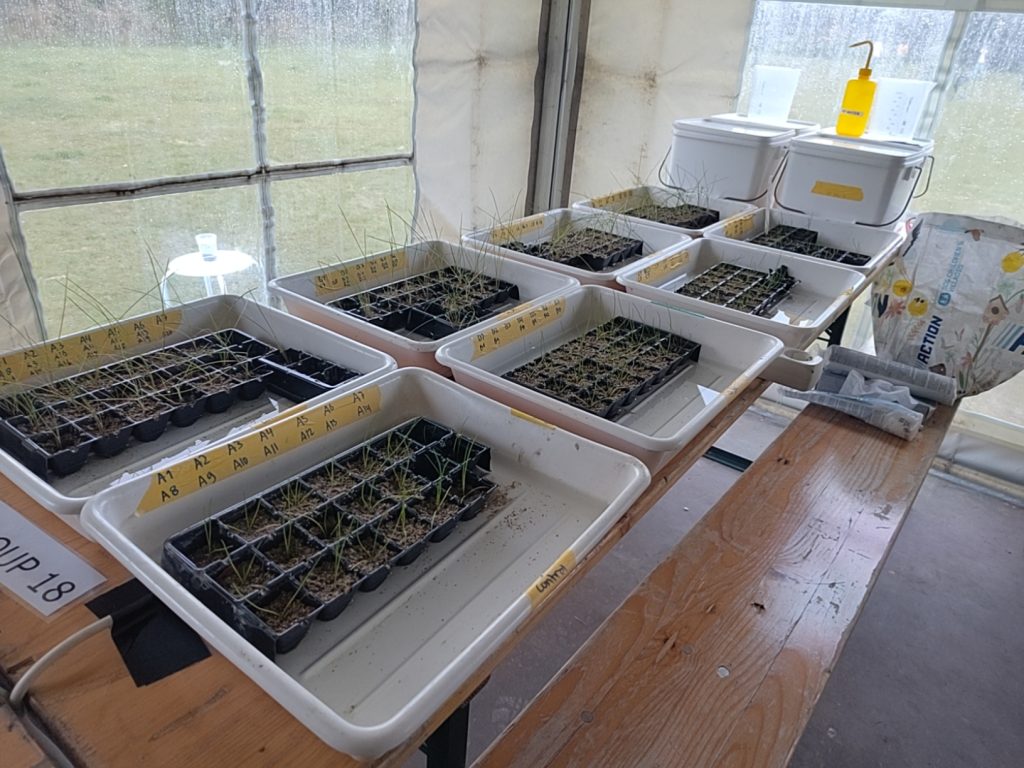
One group built their own flume to study sedimentation and erosion in salt marshes, while another interviewed farmers about their capacity to adapt to increasing salinisation. In the lab tent, students investigated topics ranging from the effects of microplastics on marine organisms to mussel clumping behaviour, using self-developed image analysis code to track and quantify patterns. Back at the university, those field observations became sediment samples to sieve, benthic fauna to identify, datasets to analyse, and ultimately scientific stories to communicate through a final video presentations. Although each group focused on its own research question, all projects contributed to a broader understanding of the Texel socio-ecological system through two interconnected DPSIR frameworks.
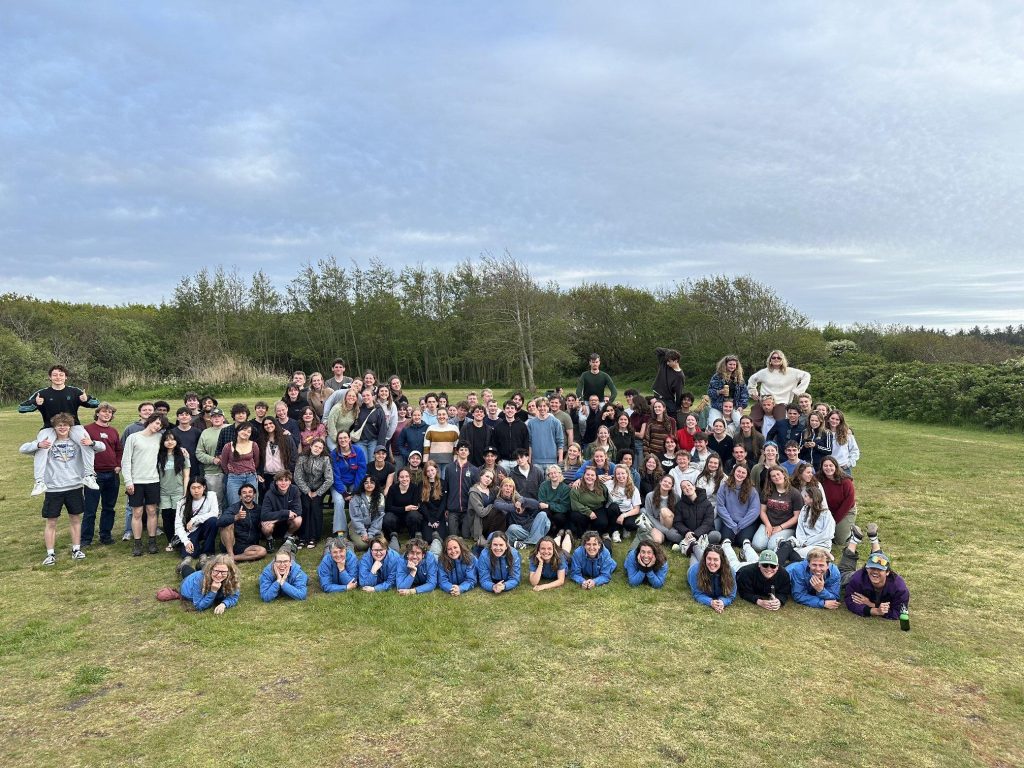
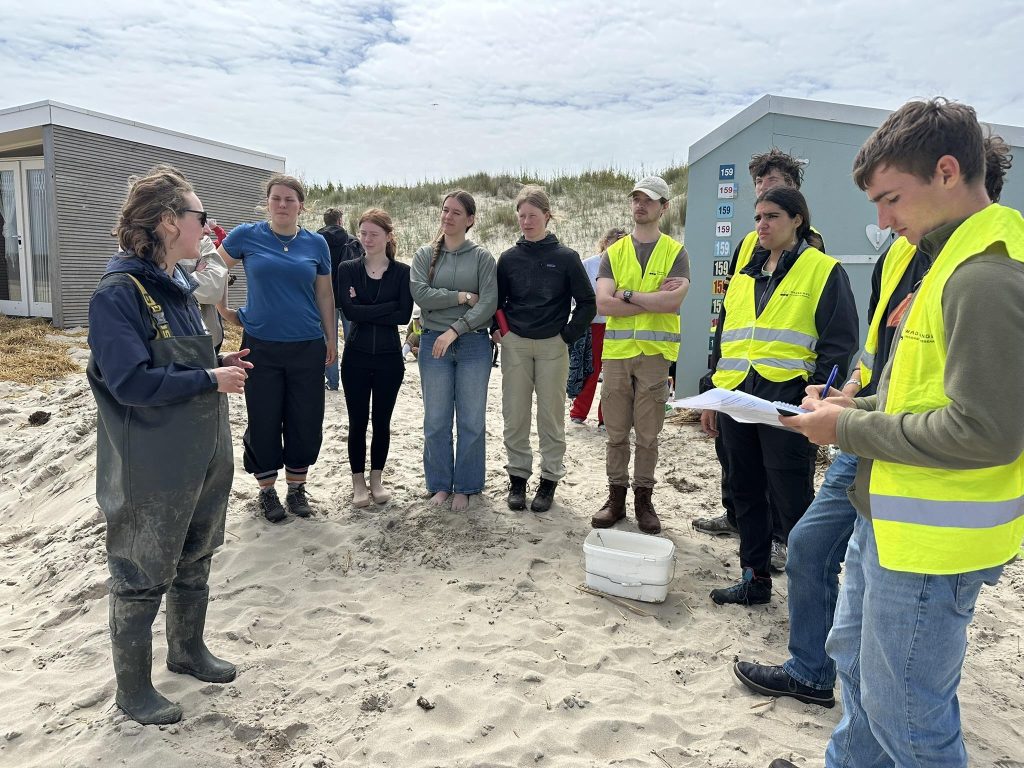
It’s great to see students move beyond learning individual methods and start connecting the pieces: developing research questions, dealing with imperfect field conditions, interpreting results, and communicating their findings. It is a challenging but rewarding process, and it was impressive to see how much students achieve in a relatively short time.
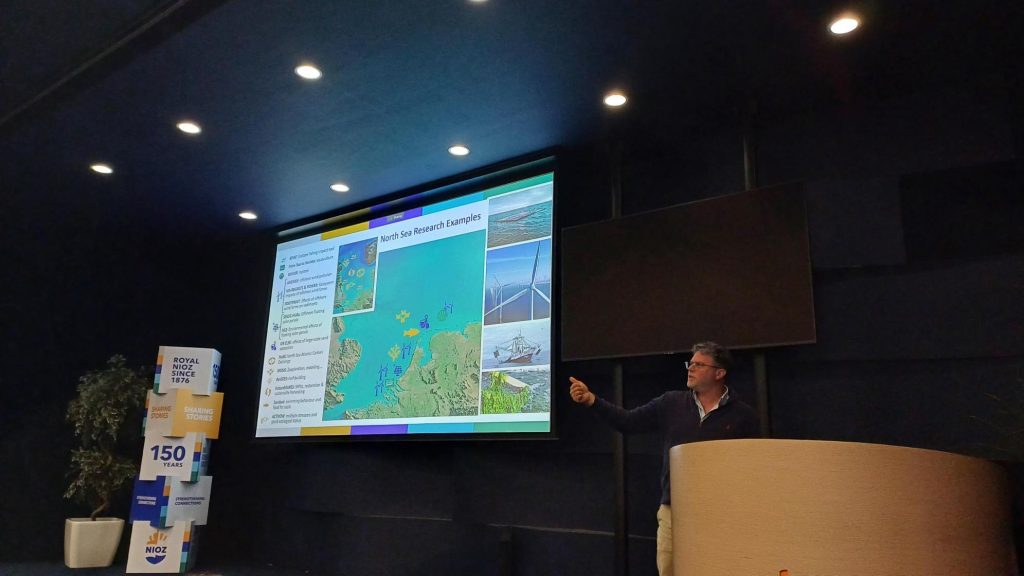
A huge thank you to NIOZ, Texel Plastic Vrij, our fishing practical volunteers, and the fantastic team from Aquatic Ecology and Water Quality Management (AEW), Aquaculture Biology and Fisheries Ecology (AFI), Environmental Policy (ENP) and Earth Systems and Change (ESA). The collaboration across disciplines with such an enthusiastic team is what makes this course such a valuable learning experience.