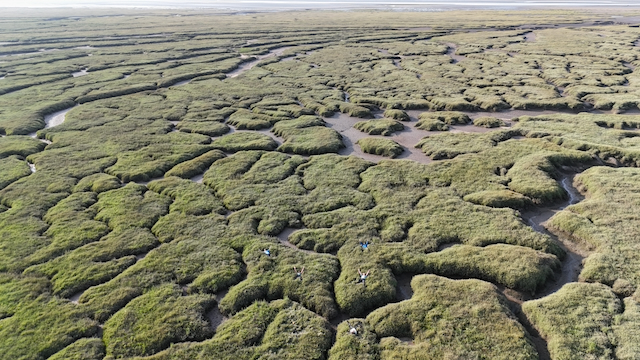
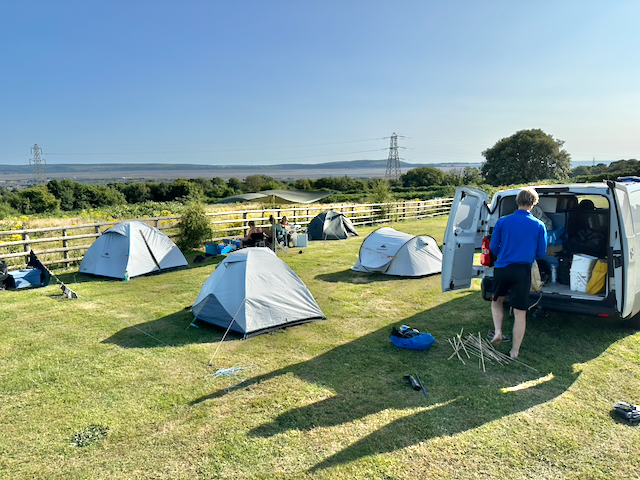
What does it take to keep a salt marsh resilient to climate change? And how does rewilding change ecosystem functioning? This week, we’re out looking for answers on the ground (and in the mud) in south Wales.
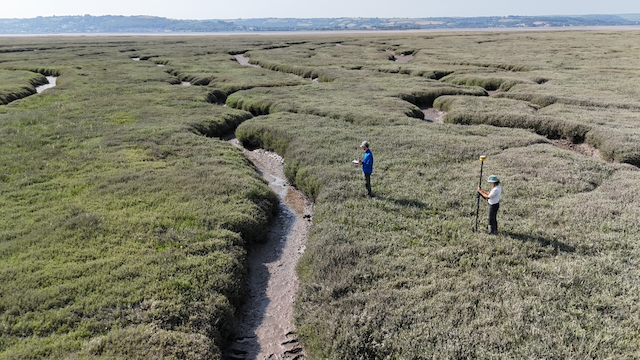
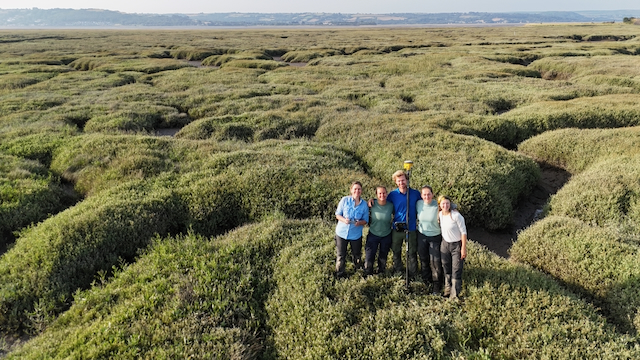
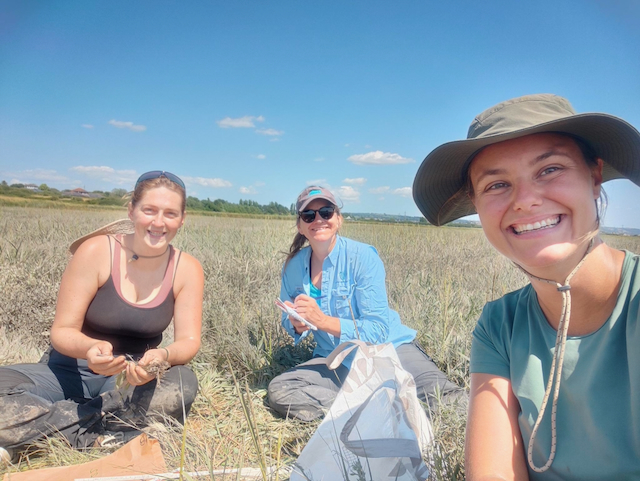
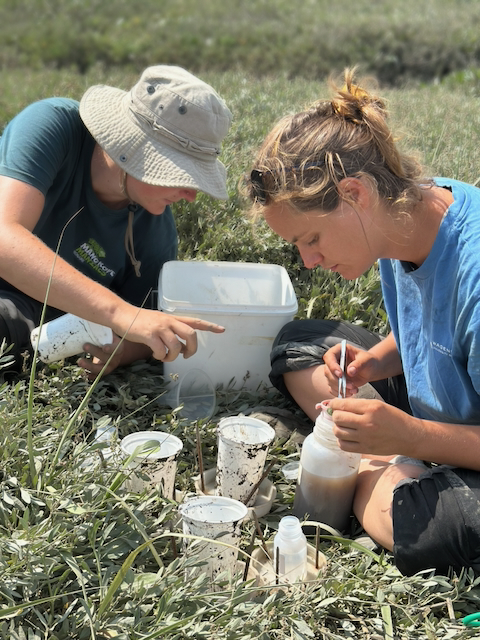
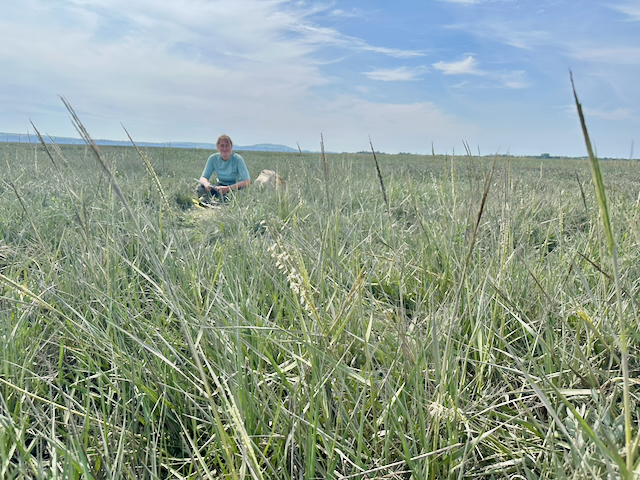
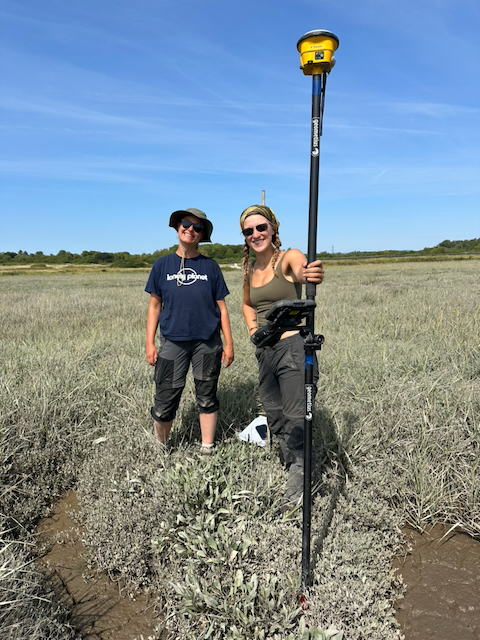
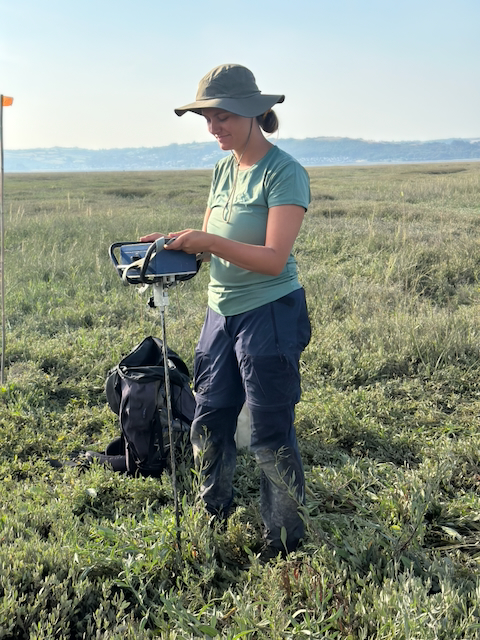
Together with PhD candidates Marieke Mom and Jente van Leeuwe, I am doing fieldwork for the WildMarsh project in the saltmarshes at WWT Llanelli. This is part of a Europe-wide survey examining how rewilding, particularly grazing and trampling by large bovines such as buffalo and other cattle, impacts the climate resilience and ecosystem services of salt marshes. (read more about the project here
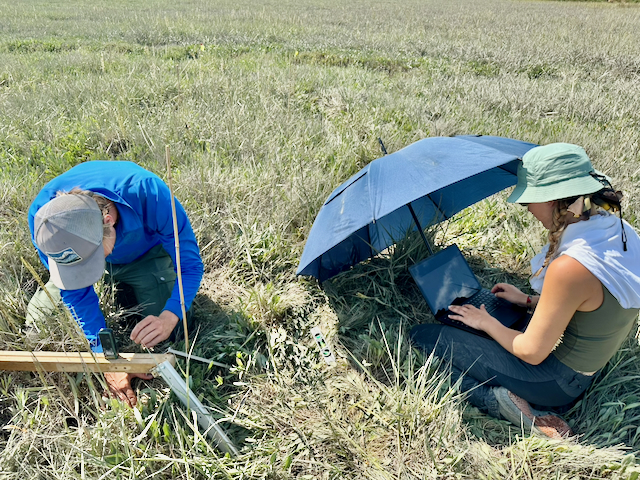
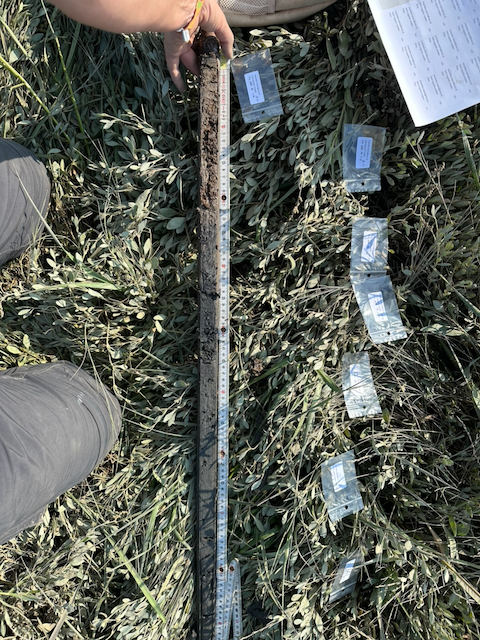
We’re measuring it all: plant biomass, cover and morphology, soil carbon and density, marsh relief and elevation profiles, soil infiltration and moisture, creek patterns, and insect and plant biodiversity. A full-system snapshot of what grazing does to a marsh. The cows were on leave this week, but the marsh still had plenty to tell us. Beyond the logistical wizardry of Marieke and Jente, MSc students Saar Ellerbroek and Celine Joziasse are the quiet force behind the whole operation: hauling gear, running protocols, keeping the day on track. A genuinely well-oiled fieldwork machine.
The rest of the team is now on the boat back to mainland Europe, continuing north through Germany, Denmark, Poland, Sweden and Finland for the next legs of the survey.
🇬🇧
Update by Marieke on the previous sites visited first half of July 2026:
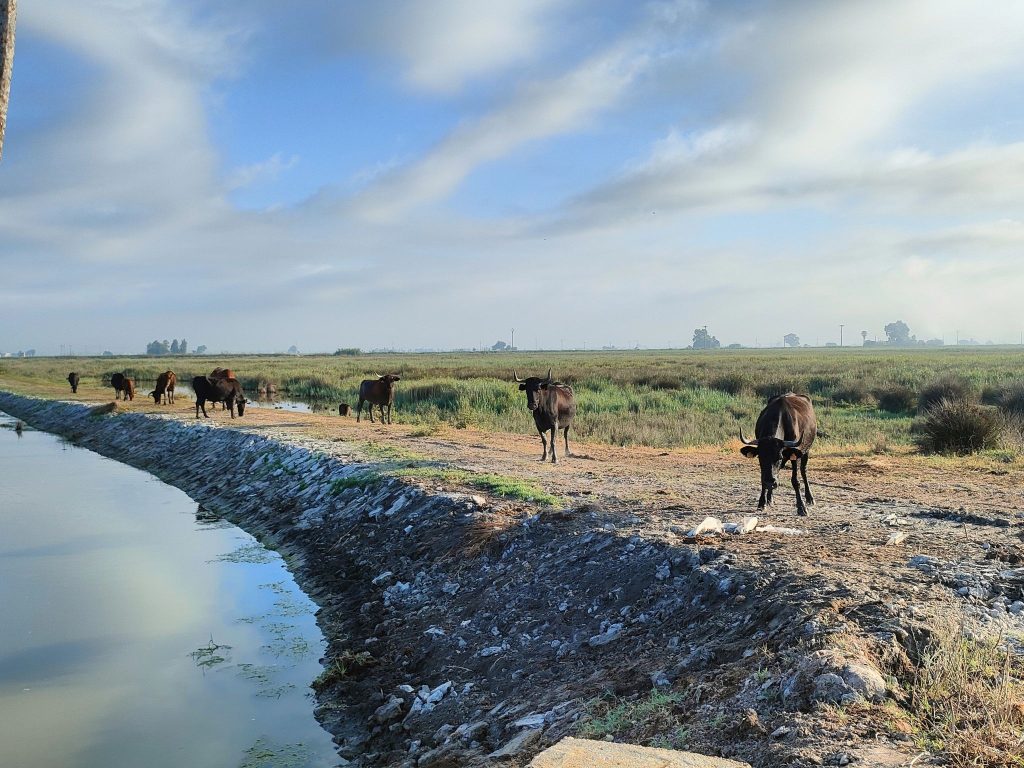
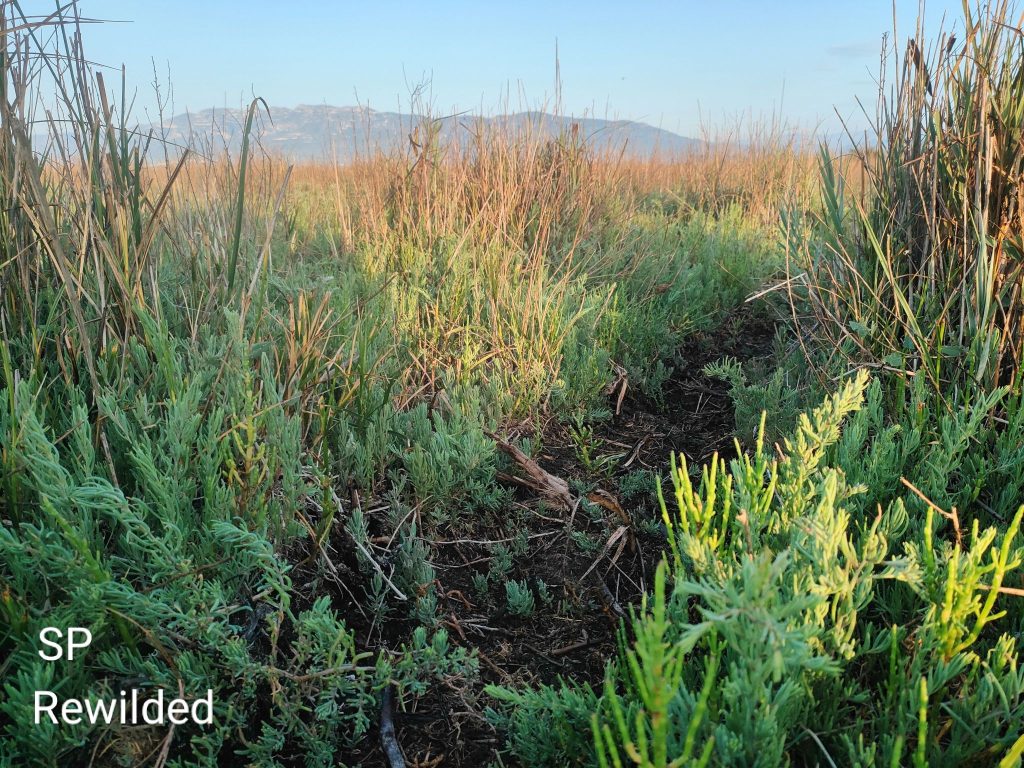
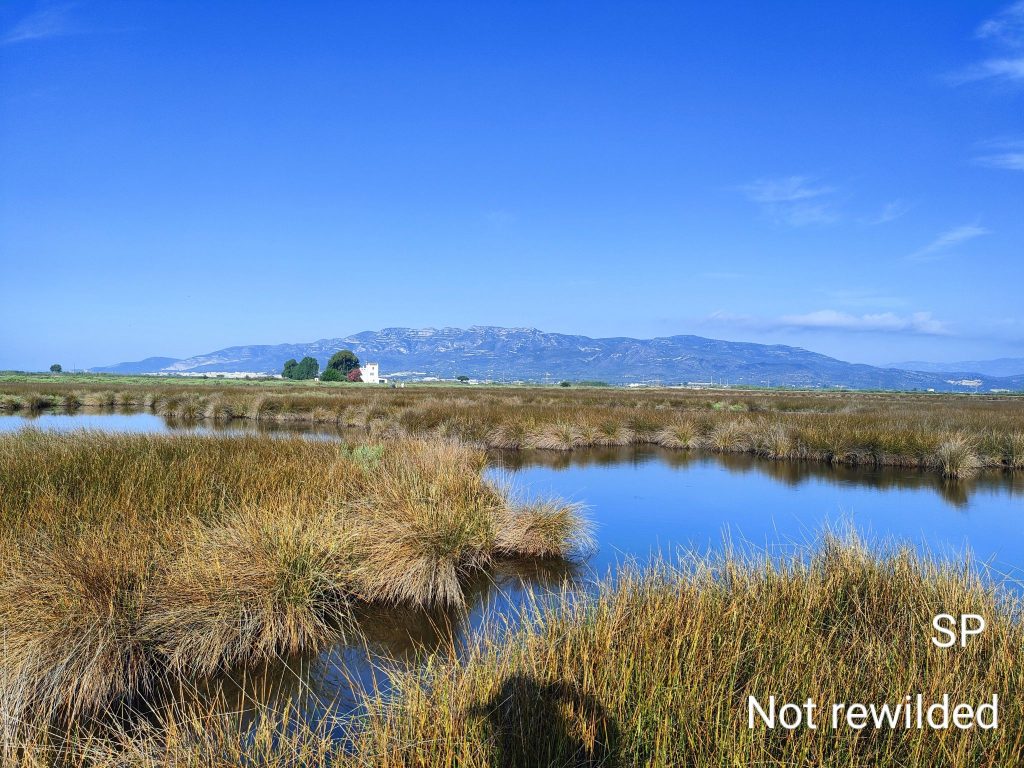
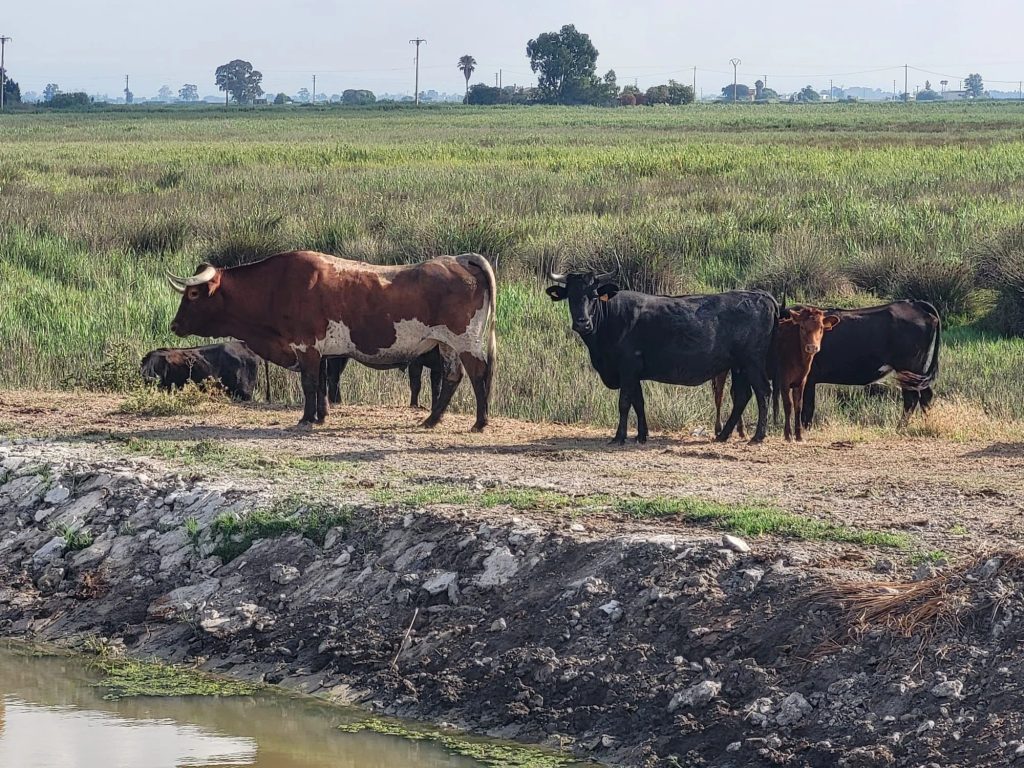
🇪🇸 Over the past few weeks, we travelled to Spain, where we explored over 100 years of cattle grazing with around 40 grazers. We saw a clear difference between the ungrazed salt marsh, dominated by Juncus maritimus, and the rewilded area, where grazing and trampling opened up the dense habitat, allowing more plant species to thrive.
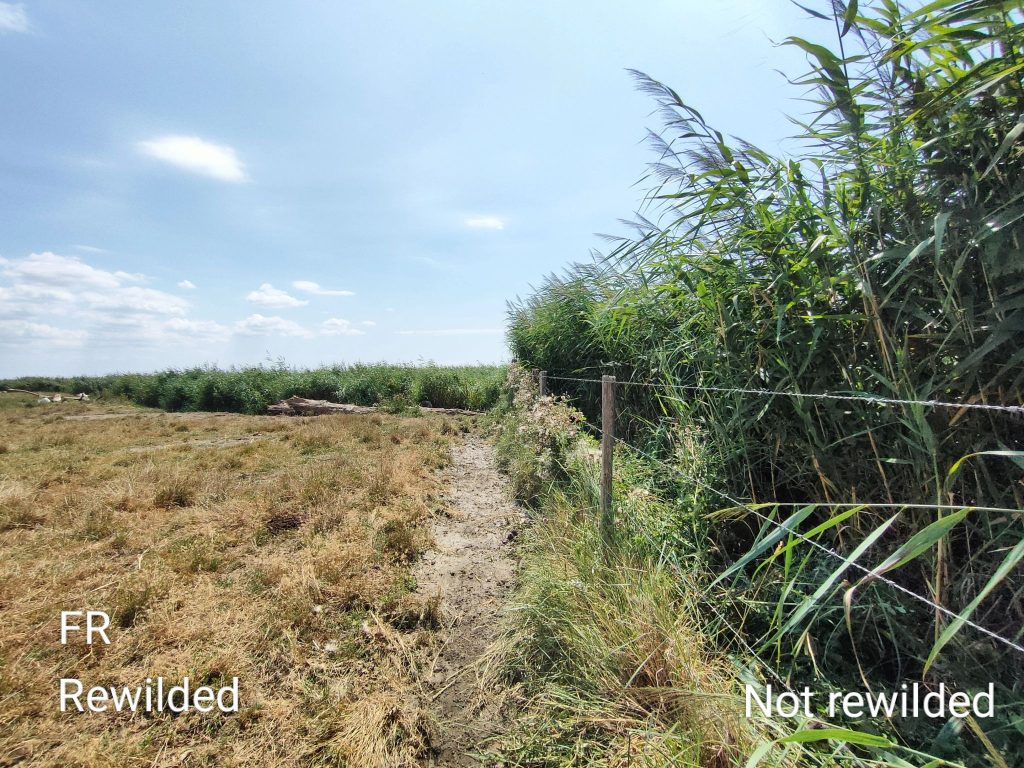
🇫🇷 Next, we visited the Atlantic coast of France, where cattle have been grazing for over 200 years, since the time of Napoleon. Despite several heatwaves, we still saw much higher plant diversity in the rewilded site compared to the dense, 3-metre-high reed-dominated ungrazed site. We are curious to find out the effects on other ecosystem functions we measured, such as carbon sequestration, insect diversity and nutrient cycling.
🤝 A big thanks to Paco, our collaborator in Spain, and Frédérique More from Loire Atlantique développement, for welcoming and supporting us along the way!
Jente van Leeuwe Celine Joziasse Saar Ellerbroek Jim van Belzen Oscar Franken Celine van Bijsterveldt Roeland van de Vijsel
This work was carried out in collaboration with WWT and Swansea University, and is funded by NWO (Dutch Research Council) ENW. A few aerial shots of the marsh below.
#rewilding#saltmarsh#climateresilience#fieldwork#marineecology
