On fieldwork with Lea
This August, I had the chance to join the Beam Trawl Survey (BTS) of Wageningen Marine Research for one week, sailing on the Tridens between Hamburg and Scheveningen. The BTS is a survey in the North Sea, collecting fishery-independent data on flatfish species such as plaice and sole, but also giving us a chance to look at the wider ecosystem – including the benthos living on and around the seafloor. The BTS follows a standardised sampling design, which means that these catches can be compared between places and between years.
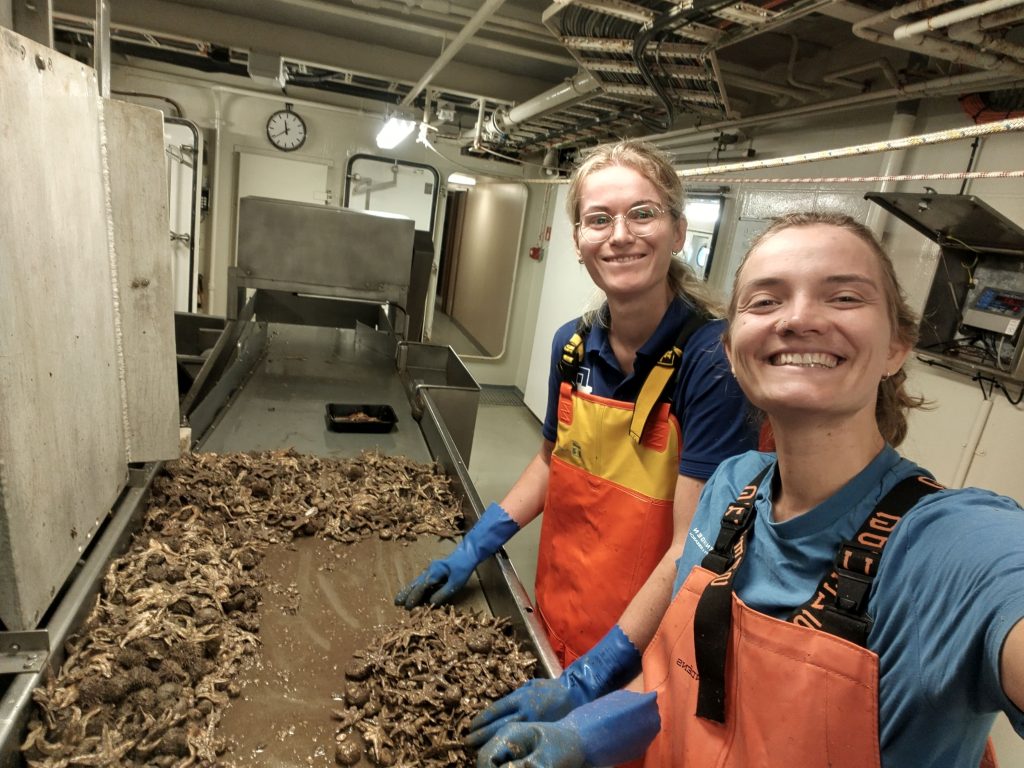
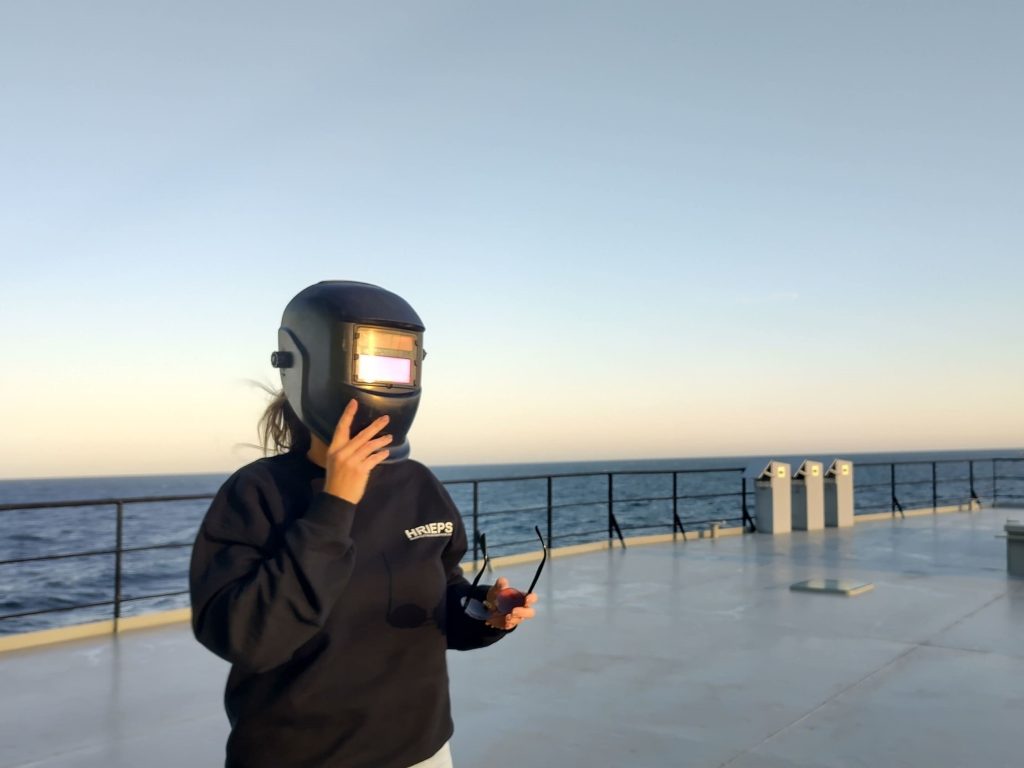
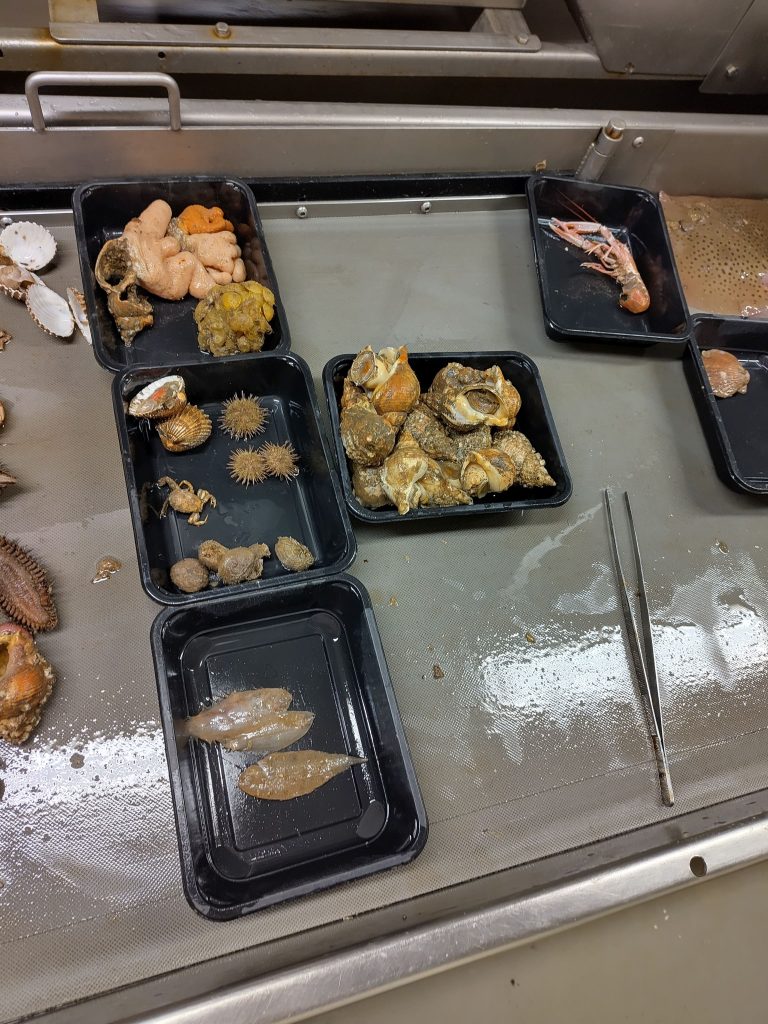
For me, joining these surveys and seeing all the species is the best part of my work. We usually sort the catch together, separating fish from benthos and the fish into species. While my colleagues continue to measure and weigh fish and collect otoliths (ear bones used for age determination), I sort the benthos into species and start counting them. We take subsamples to not spend hours counting shrimps, small star fish or crabs. Still, we usually work long days, with short breaks to eat the amazing food on board and to take a quick nap while the net is out in the water. This year, we were also lucky enough to the solar eclipse onboard and the crew luckily had plenty of welding helmets available to do this.
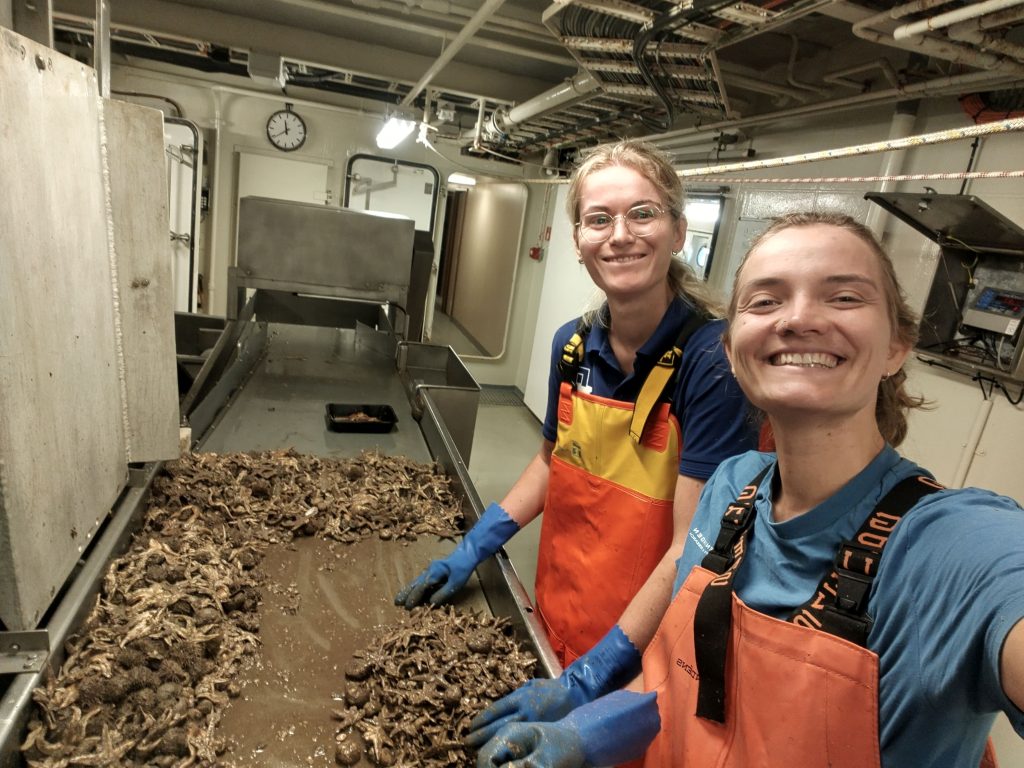
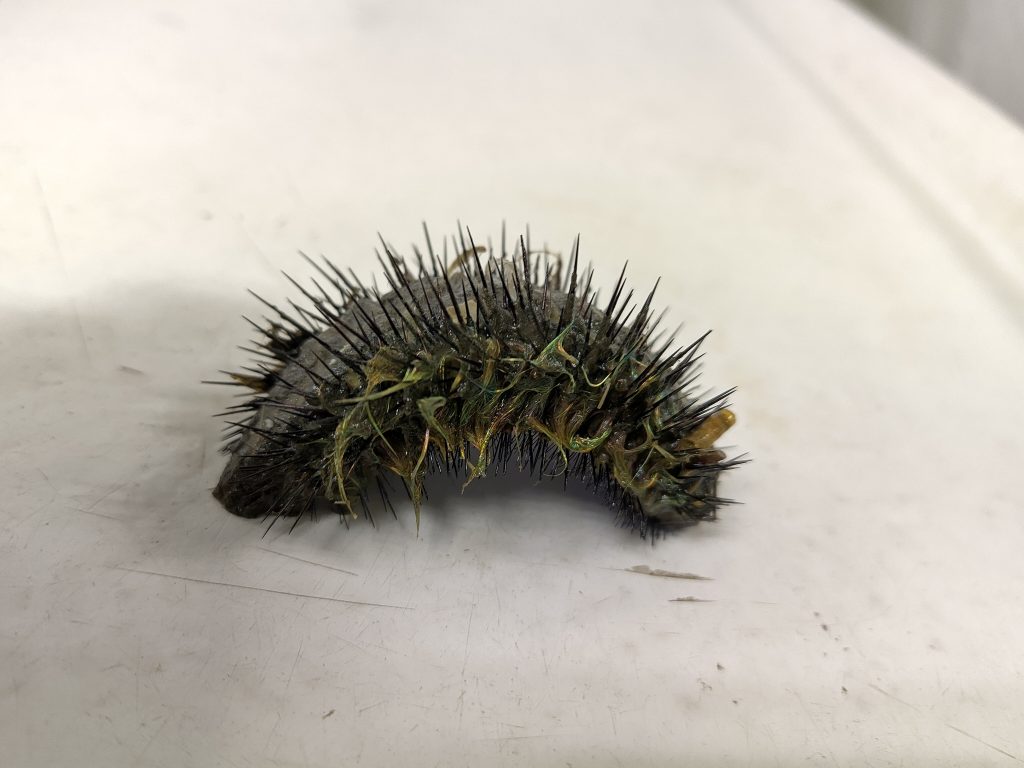
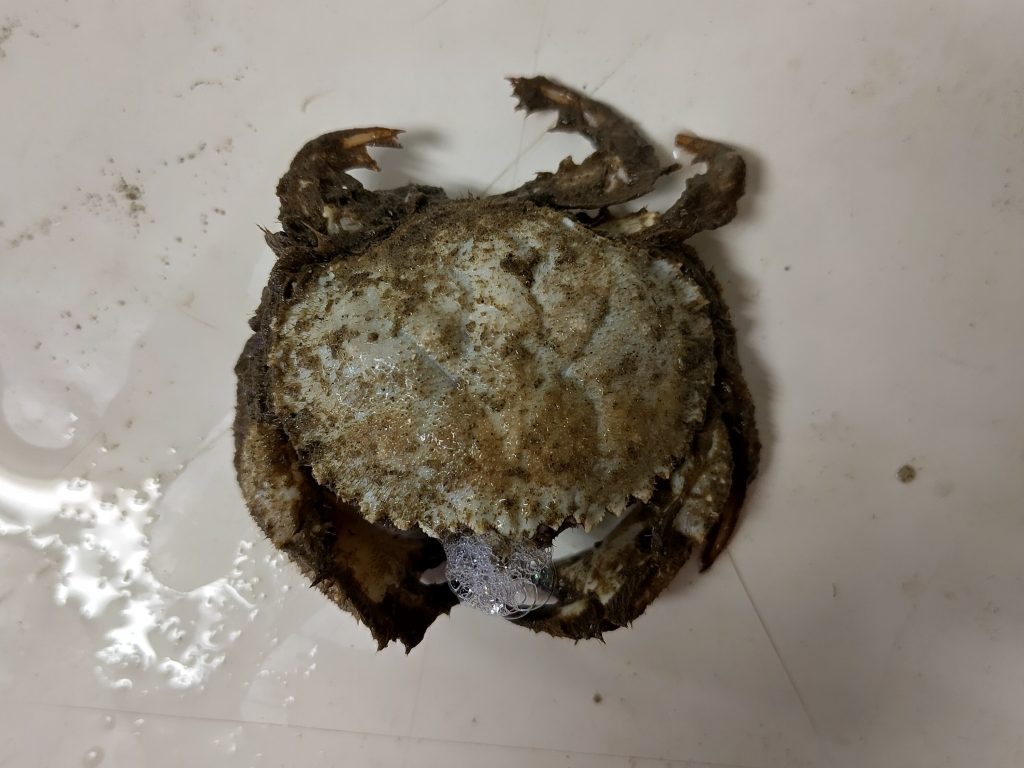
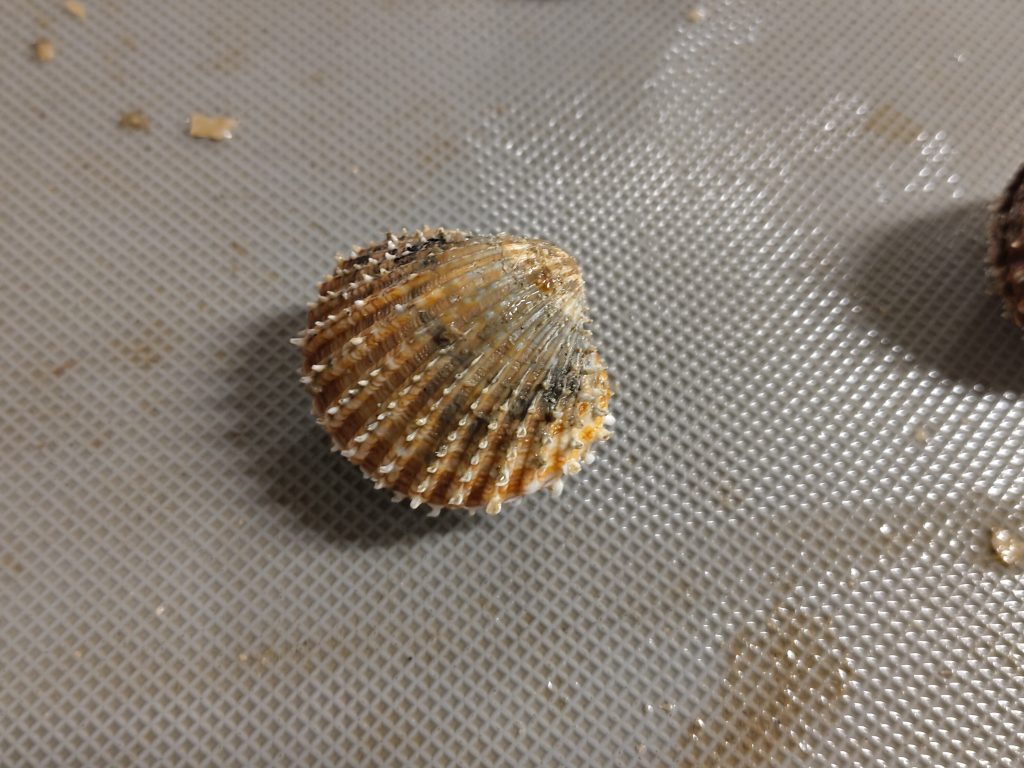
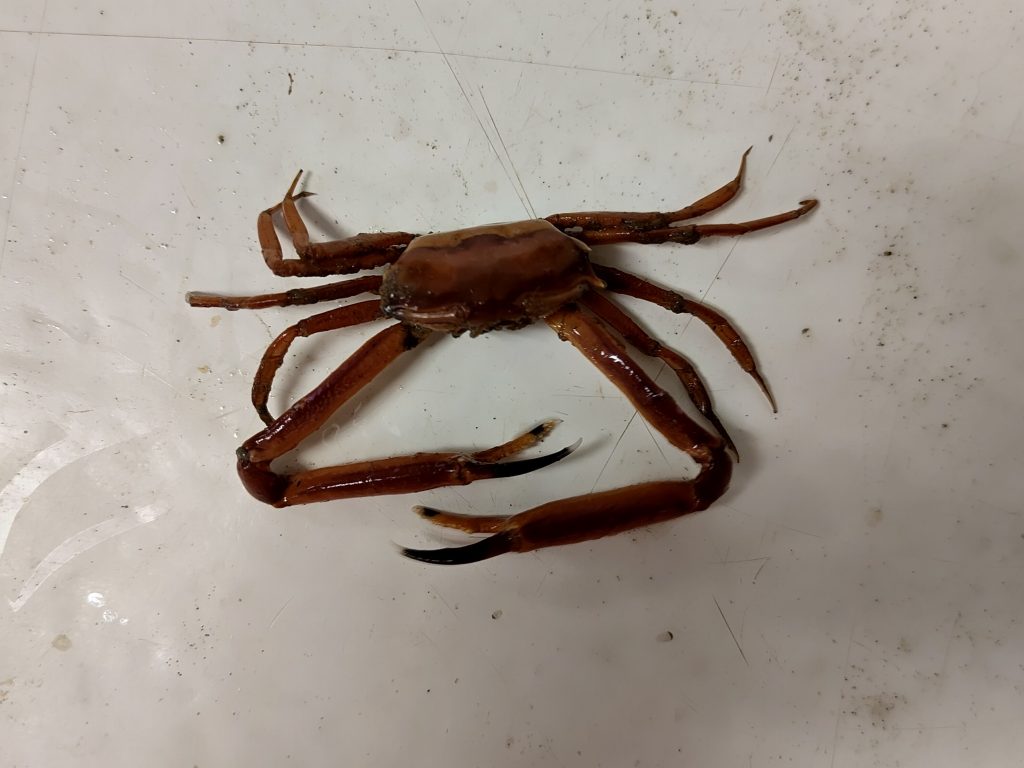
Every haul was a little different, and you could really see how much the seafloor community changes as you move through the North Sea. This year, being close to the German and Dutch coast, we caught lots of swimming crabs, common starfish, serpent stars, sand sea stars, helmet crabs, and angular crabs but we also had one catch full of ocean quahog. Last year, I was on board when we fished closer to the northern English coast. There we caught completely different species, including dead man’s fingers, sea pens, lots of different species of star fish and all kinds of hermit crabs. The North Sea there is much deeper and you also fish over other substrate such as rocks. Seeing this, you start to recognise that the catch is not just a collection of individual species, but a reflection of the different environments. Some of these species, like the ocean quahog, can grow for hundreds of years or form habitats on the seafloor. All the benthic species are returned to the sea after counting and weighing them.
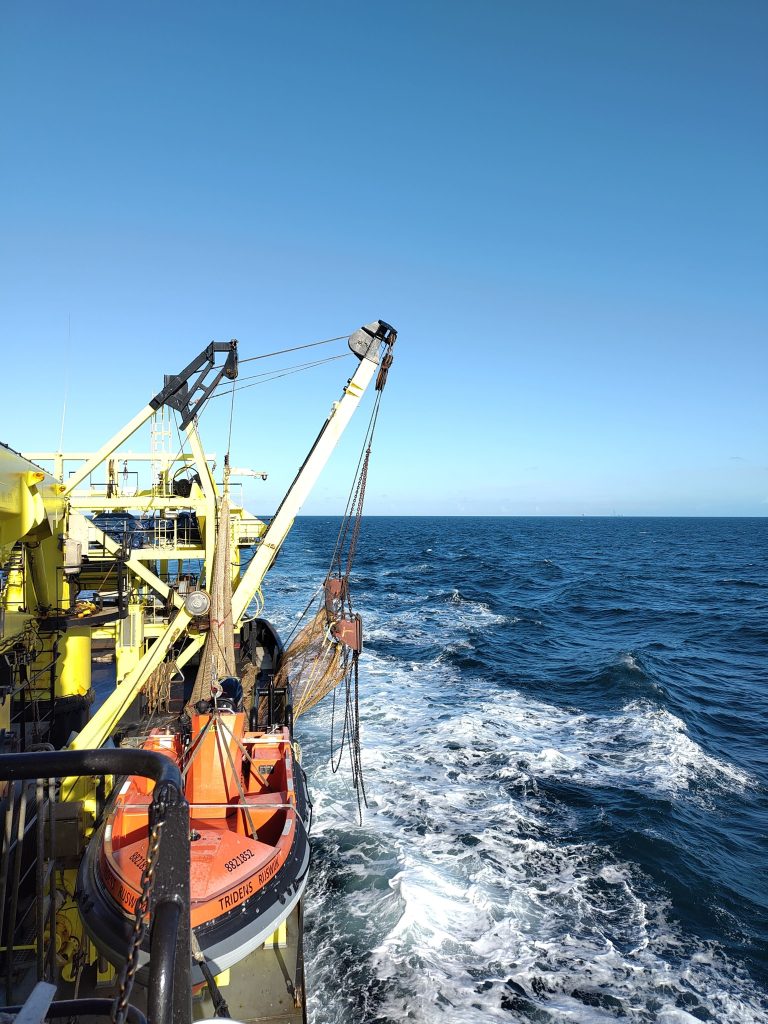
These trips really are a team effort. Not only with the Wageningen Marine Research team, where I profit from the experience of my colleagues, but also with the crew, that operates that nets and helps us with sorting. Many of the crew members worked in fisheries for a long time, so they really know what they are doing. And getting out of our marine biologist bubble also helps to understand other perspectives. Of course, catching animals with a beam trawl also raises questions about the impact of sampling and about bottom-trawling more generally. I think that this is important to acknowledge, especially when talking about this kind of research. The purpose of the survey is not to replicate commercial fishing, but to collect standardised data that can be used to understand changes in fish populations and the wider North Sea ecosystem. The data contribute to assessments used by ICES and to fisheries management. The methods have been carefully designed to minimise impact and are still being adjusted where possible, to cause as little harm as possible while still collecting enough information about the fish stocks.
As always, after a week of sorting, identifying and counting animals, I came home with a much better appreciation of how much life there is in the North Sea. If you want to know more about the BTS, see some species and read about how the survey came to a sudden end a few weeks later, you can check out the BTS blog: https://beamtrawlsurvey.blogspot.com/
The research was carried out under the project permit of 2021.D-0032.007 under the AVD number AVD40100202215730.
Lea Kornau
